

Bestseller
Shaped frontend architecture from first customer conversation to foundation: presales, architecture, and team enablement across a genuinely complex B2B platform.
Bestseller came to us with an ambitious brief: build a B2B platform capable of supporting high-pace feature expansion and advanced custom requirements from day one. They weren't just buying a webshop. They were investing in a foundation they'd build on for years.
The product domain was genuinely one of the most complex I'd encountered. Styles carried multiple dimensions of variance, orders spanned multiple delivery locations, and the product detail page served as a live view into the basket for that style family, meaning every interaction on the page handled the complexity of simultaneously being a basket operation too. Power users needed to navigate this through fully keyboard-accessible, interactive tables. And underneath it all, the system had to stay performant while rendering and re-rendering large, deeply nested datasets.
Bestseller is one of the world's leading fashion groups, a Danish company founded in 1975 with 20+ international brands including Jack & Jones, Vero Moda, and Only. The group operates a high-volume B2B wholesale platform serving tens of thousands of retail buyers globally, alongside a growing direct-to-consumer presence, making their digital platform a core piece of commercial infrastructure.
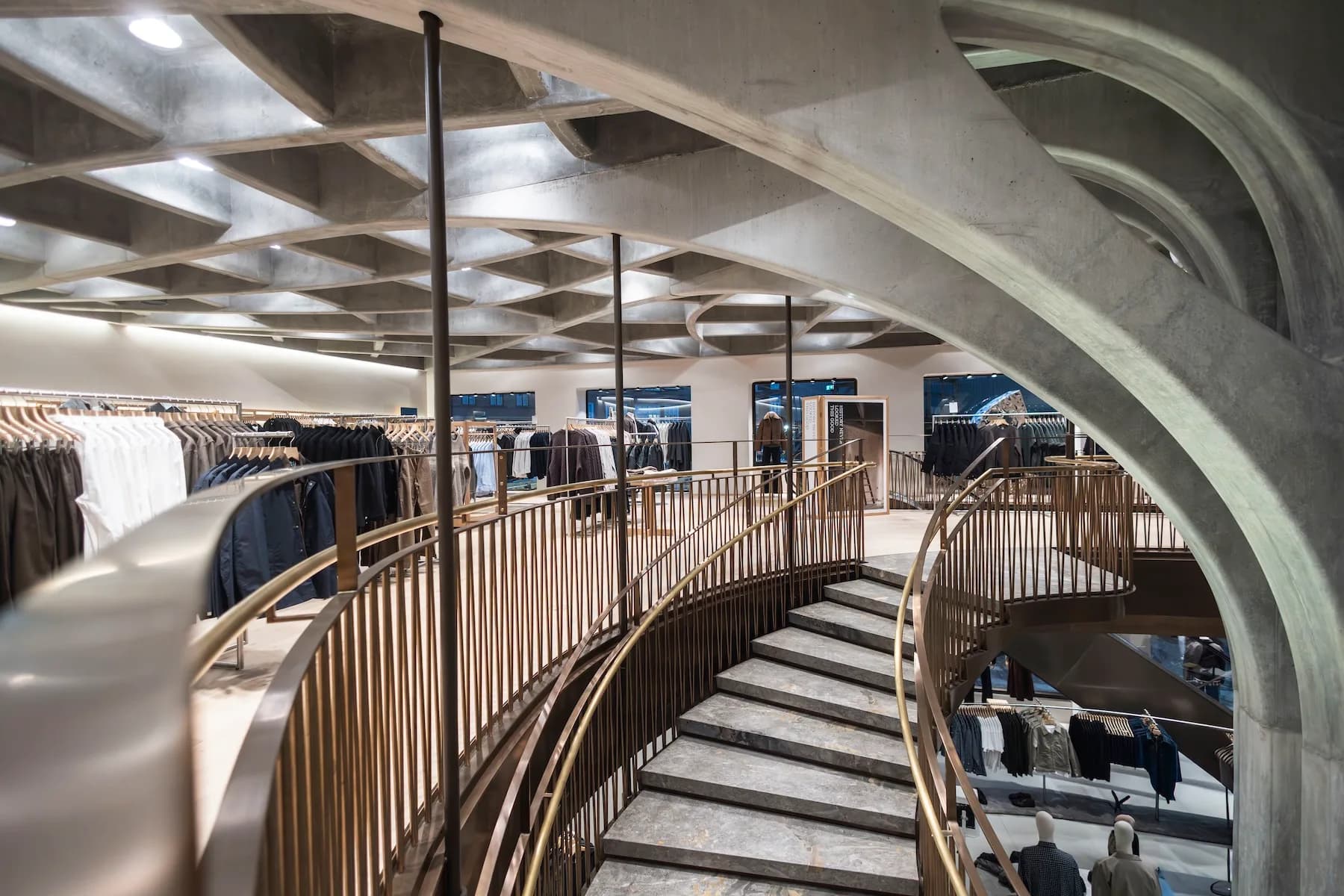
I represented the frontend perspective throughout a months-long presales and discovery process involving a 10+ person cross-functional team, collaborating closely with stakeholders from Bestseller and our product team, including product owners, project managers, UX, design, and backend. My job was to make sure the technical complexity was fully understood and that we aligned on exactly what we wanted to build before a line of code was written.
That meant being a core part of the team mapping requirements, shaping user stories and acceptance criteria, and designing the frontend/backend data contracts early, so the team could move fast later without hitting architectural walls.
When development kicked off, we bootstrapped the project from Blueprint, the shared platform at Hesehus where I spearheaded the frontend layer, encapsulating our best practices across architecture, a design system approach, React patterns, TypeScript, accessibility, and performance.
The design system layer was one of the first things we tackled: reskinning Blueprint to Bestseller's brand, mapping their design tokens and components from Figma to code, creating the infrastructure for multi-theme support to accommodate the multitude of brands under the Bestseller name, and documenting everything in Storybook so the team had a clear, trustworthy source of truth to build from.
From there, the focus shifted to typed endpoints and a strict frontend/backend contract. Given the depth of the product hierarchy and the volume of data being rendered, the frontend and backend needed a shared language that could scale with the complexity. I worked with the incoming frontend lead to establish those contracts, and spent the first months of the project onboarding and mentoring a team of frontend developers, establishing architectural guidelines, contribution workflows, and the collaborative rituals that would let them move fast and stay aligned once I handed over the reins.

- Built multi-theme design system infrastructure covering the full Bestseller brand family, documented end-to-end in Storybook
- Established typed frontend/backend data contracts before development started, enabling the team to scale without architectural rework
- Onboarded and mentored the frontend team, putting architectural guidelines and contribution workflows in place from day one
This project reinforced how much the early, behind-the-scenes work matters. Getting cross-functional alignment between design, backend, frontend, and the client before development starts isn't just good process, it's what allows a team to absorb growth without chaos. When the foundation is solid and everyone understands why decisions were made, onboarding new engineers becomes manageable rather than disruptive.
Working at the intersection of presales and architecture also reinforced something I now believe strongly: the best technical decisions happen when engineers are in the room early, asking hard questions before the first decisions are made.
The best technical decisions happen when engineers are in the room early. This project taught me that a solid foundation isn't just about code: it's about alignment, clarity, and setting a team up to grow without chaos.